In today’s digital age, mobile phones have become an integral part of our lives, storing everything from personal photos to banking information. The Sanchar Saathi Portal represents a revolutionary initiative by the Government of India to protect mobile users from fraud, unauthorized SIM connections, and device theft. Launched by the Department of Telecommunications (DoT), this comprehensive platform empowers every Indian citizen to take control of their mobile security.
Every day, thousands of Indians face mobile-related fraud—from unauthorized SIM cards registered in their names to stolen devices being misused for criminal activities. The consequences can be severe, including identity theft, financial fraud, harassment, and even legal complications. Sanchar Saathi was created as a direct response to these growing concerns, providing citizens with powerful tools to protect themselves in the digital landscape.
The portal consolidates multiple services under one unified platform, making it easier for ordinary citizens to monitor, manage, and secure their mobile connections. Whether you need to block a stolen phone, verify SIM cards registered under your name, or report fraudulent activity, Sanchar Saathi serves as your complete solution. This initiative reflects the government’s commitment to Digital India and consumer protection in telecommunications.
What Is the Sanchar Saathi Portal?
The Sanchar Saathi Portal (https://sancharsaathi.gov.in) is an official government platform developed by the Department of Telecommunications, Ministry of Communications. It serves as a centralized hub for mobile security and consumer protection services. The name “Sanchar Saathi” translates to “Communication Companion,” reflecting its role as a trusted partner in ensuring safe telecommunications.
This digital initiative consolidates several independent systems that were previously scattered across different platforms, creating a seamless user experience. By bringing CEIR (Central Equipment Identity Register), TAFCOP (Telecom Analytics for Fraud Management and Consumer Protection), and other services under one roof, Sanchar Saathi has simplified mobile security management significantly.
The platform operates on real-time data integration with telecom operators across India. When you access any service on Sanchar Saathi, the system communicates directly with databases maintained by all major telecommunications providers, ensuring that information is current and accurate. This integration represents a significant technological achievement requiring coordination among government agencies, private telecom companies, and technology service providers.
Why Sanchar Saathi Matters in India
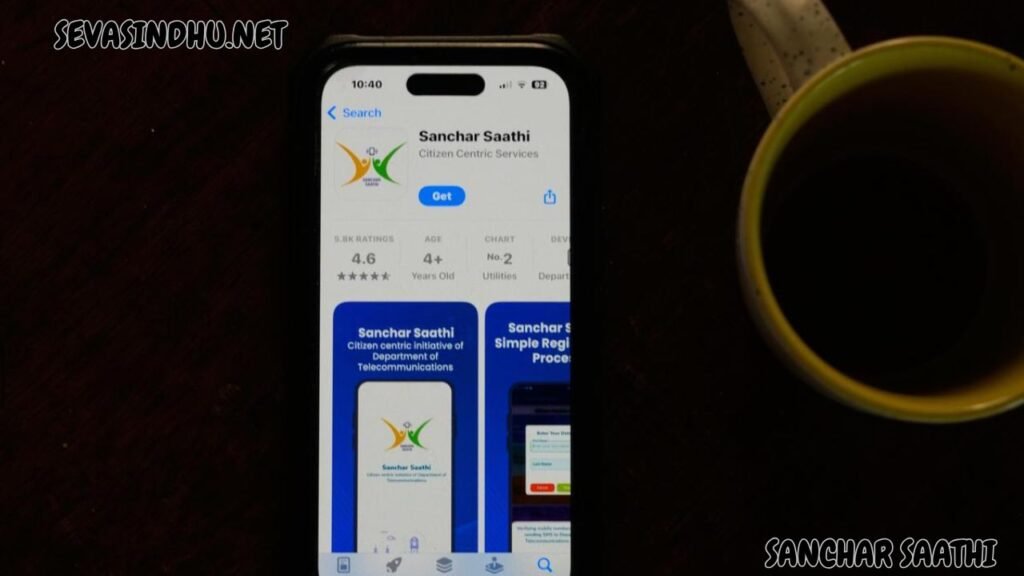
India’s telecommunications landscape is vast, with over 1.15 billion mobile subscribers as of 2024. This massive user base creates significant vulnerabilities. Mobile-related fraud has emerged as one of the fastest-growing categories of cybercrime in the country, affecting millions of Indians annually.
Unauthorized SIM card registration represents one of the most prevalent forms of telecommunications fraud. Criminals obtain identity documents through theft, forgery, or coercion and use them to register multiple SIM cards. These illegally obtained connections are then used for various criminal activities including financial fraud, extortion, spreading misinformation, and more. Victims often remain unaware until they face legal notices or their legitimate services are suspended.
The problem of stolen and lost mobile devices adds another dimension to this security challenge. India sees hundreds of thousands of mobile phones stolen or lost annually. Without a centralized system to block these devices, they quickly enter the black market where they are resold or used for criminal purposes. The IMEI (International Mobile Equipment Identity) number, unique to each device, becomes the key to tracking and blocking these phones—but until Sanchar Saathi, there was no unified system for citizens to leverage this capability effectively.
Sanchar Saathi addresses these issues through multiple mechanisms. First, it provides complete transparency about mobile connections registered in your name. Second, the CEIR system enables immediate action when a device is lost or stolen. Third, it contributes to national security by making telecommunications infrastructure less exploitable by criminal elements.
Sanchar Saathi Portal Services Overview
The Sanchar Saathi Portal integrates several specialized services, each designed to address specific aspects of mobile security and consumer protection. Understanding these services is essential for making the most of the platform.
CEIR, or Central Equipment Identity Register, functions as India’s national database for mobile devices. Every mobile phone has a unique IMEI number—essentially a fingerprint for your device. CEIR maintains records of these IMEI numbers and their status across all telecom networks. Through this service, users can block lost or stolen devices, check the status of any IMEI number, request device tracking, and unblock devices that have been recovered.
TAFCOP represents the analytical and fraud detection arm of Sanchar Saathi. This service uses advanced data analytics to identify patterns of fraudulent behavior and empowers consumers to verify their mobile connections. Through TAFCOP, you can see exactly how many mobile numbers are registered under your name across all service providers. This transparency is crucial because Indian regulations limit the number of connections one person can have.
The Know Your Mobile (KYM) service provides detailed information about specific mobile connections. You can verify whether a particular mobile number is genuinely registered in your name, check the operator and service area, and view activation dates. Additional services include mechanisms for reporting suspicious activity, downloading verification certificates, and accessing educational resources about mobile security.
🔐 Sanchar Saathi Portal – Quick Access Services
ℹ️ Click on any service above to access Sanchar Saathi Portal features directly. All services are official Government of India platforms.
CEIR – Block, Track, and Unblock Lost or Stolen Phones
The Central Equipment Identity Register (CEIR) stands as one of the most powerful features of the Sanchar Saathi ecosystem. This service directly addresses one of the most common problems faced by mobile users—the loss or theft of their devices.
At its core, CEIR is a centralized database that maintains records of mobile device identities across India. Every mobile phone has an IMEI (International Mobile Equipment Identity) number—a unique 15-digit code that identifies that specific device. You can find your phone’s IMEI by dialing *#06# on your device, checking your phone’s original packaging, or looking in device settings under “About Phone.”
When you report a device as lost or stolen through CEIR, the system performs several critical functions simultaneously. First, it registers your device’s IMEI in a national blacklist database. This information is then shared in real-time with all telecom operators in India—Airtel, Jio, BSNL, Vi (Vodafone Idea), and others. Within hours, your device becomes unusable on all these networks. Even if someone changes the SIM card or switches to a different operator, the device will be rejected by the network.
The blocking process through CEIR is straightforward. Visit the official CEIR portal at https://ceir.sancharsaathi.gov.in and select the “Block Stolen/Lost Mobile” option. You’ll need to provide your mobile number, verify your identity through OTP authentication, and enter the IMEI number of the lost or stolen device. The system will prompt you to provide basic details about when and where the device was lost, whether an FIR has been filed, and your contact information.
An important aspect of using CEIR effectively is the police complaint requirement. While you can initiate blocking without an FIR, having a police complaint significantly strengthens your case, especially if you later need to prove ownership or pursue insurance claims. The system allows you to upload your FIR copy, creating a comprehensive record of the theft or loss.
One of CEIR’s valuable features is device tracking assistance. When you block a device, you can also request law enforcement tracking assistance. If your device contains sensitive information, this option notifies the cyber cell and relevant police departments. While CEIR itself doesn’t provide real-time GPS tracking, it can help authorities trace the last known location where the device connected to a network.
The IMEI status check feature serves multiple purposes. If you’re purchasing a used mobile phone, you can verify its IMEI through CEIR to ensure it hasn’t been reported as stolen. This simple check protects you from unknowingly purchasing stolen property. Similarly, if you’re selling your device, providing a CEIR clearance certificate adds credibility.
Device unblocking through CEIR is equally important. If you block your device and then recover it, you’ll need to formally unblock it before you can use it again. The unblocking process requires your original blocking request ID, identity verification, and proof that you’ve recovered the device. The unblocking process typically takes 24-48 hours.
Understanding the limitations of CEIR is important. The system blocks your device from Indian telecom networks but doesn’t prevent international use. Additionally, CEIR cannot remotely wipe your data—those functions need to be performed through manufacturer services like Google’s Find My Device or Apple’s Find My iPhone.
TAFCOP Sanchar Saathi – Check Mobile Numbers Linked to Your ID
TAFCOP, which stands for Telecom Analytics for Fraud Management and Consumer Protection, represents the analytical intelligence behind Sanchar Saathi’s fraud prevention capabilities. This service empowers Indian citizens to take control of their digital identity by providing complete transparency about mobile connections registered under their name.
The fundamental problem TAFCOP addresses is unauthorized SIM card registration. In India’s telecommunications ecosystem, criminals have developed methods to obtain identity documents through theft, forgery, or coercion and use them to register multiple mobile connections. These unauthorized SIMs are employed in various illegal activities including financial fraud, harassment, extortion, and more. Victims often remain unaware until they face legal notices or find their legitimate connections suspended.
Before TAFCOP, discovering fraudulent connections was nearly impossible for ordinary citizens. You would need to individually contact each telecom operator, provide extensive documentation, and wait weeks for responses. TAFCOP eliminates these barriers by providing instant, comprehensive visibility across all operators simultaneously.
Using TAFCOP is simple. Visit https://tafcop.sancharsaathi.gov.in and enter your mobile number. The system sends an OTP to verify your identity. Once authenticated, TAFCOP displays a comprehensive dashboard showing every mobile connection registered under the identity documents associated with your profile. This includes connections across all major operators.
The information displayed is detailed. For each connection, you’ll see the operator name, the mobile number (partially masked for privacy), the service area, the activation date, and the type of identification document used. This visibility allows you to spot anomalies immediately. If you see connections activated in cities you’ve never visited or registrations using documents you’ve reported as lost, these are clear indicators of fraud.
The true power of TAFCOP emerges when you discover unauthorized connections. The system empowers you to act immediately. Next to each connection, you’ll find options to report it as unauthorized. When you flag a connection as fraudulent, TAFCOP initiates a formal complaint process with the relevant telecom operator and the Department of Telecommunications. The operator must investigate and, if fraud is confirmed, disconnect the service permanently.
TAFCOP’s analytical capabilities extend beyond simple listing. The system employs algorithms to detect patterns that might indicate fraud. If multiple connections were activated in rapid succession using your documents, or if connections show usage patterns inconsistent with your profile, TAFCOP flags these for attention.
Understanding the regulatory framework enhances TAFCOP’s value. Indian regulations stipulate that each person can have a maximum of nine mobile connections per operator using one type of identity document. This limit prevents criminals from accumulating large numbers of SIM cards for illegal purposes. TAFCOP helps you track your connections against these limits.
TAFCOP plays a crucial role in financial security. Many online fraud schemes begin with criminals obtaining mobile connections using stolen identities. These connections are then used to create accounts on financial platforms, apply for loans, or conduct fraudulent transactions. When these activities surface, law enforcement traces connections back to the identity documents used—which means the victim becomes a suspect. Having a clean TAFCOP report and regularly checking can be crucial evidence of innocence.
The system maintains a comprehensive history of your actions. Every check you perform, every connection you report, and every resolution is logged. This audit trail can be valuable when you need to demonstrate due diligence—for instance, when applying for security clearances or sensitive positions.
Features and Benefits of Sanchar Saathi
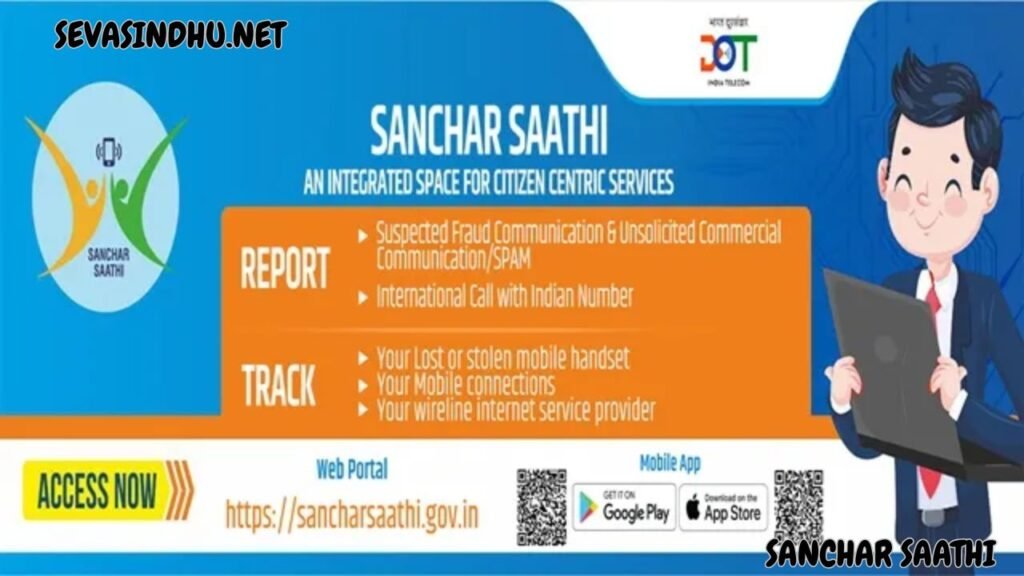
The Sanchar Saathi Portal represents more than just individual services—it embodies a comprehensive approach to mobile security and consumer empowerment. Understanding its broader features helps users appreciate why this platform is essential for every mobile user in India.
Transparency stands as the most significant benefit. Before Sanchar Saathi, the telecommunications ecosystem operated largely as a black box for consumers. Sanchar Saathi provides complete visibility into your telecommunications footprint. This transparency is about power—when you can see exactly what’s happening with your identity and devices, you can make informed decisions and take protective action.
Consumer empowerment extends beyond transparency. Sanchar Saathi places powerful tools directly in citizens’ hands—tools that were previously available only to telecommunications companies and law enforcement. The ability to block your device across all networks, verify all mobile connections, and report fraud instantly transforms consumers from passive recipients to active participants in their own security.
Fraud prevention benefits extend to multiple dimensions. On an individual level, regular use of TAFCOP and CEIR can prevent identity theft before it causes damage. On a societal level, widespread adoption makes telecommunications fraud less viable, reducing crime rates over time. The economic impact is substantial—preventing fraud saves individuals from financial losses and makes India’s telecommunications infrastructure more trustworthy.
The platform demonstrates remarkable integration across different systems and stakeholders. Sanchar Saathi connects with databases from all telecom operators, law enforcement systems, identity verification infrastructure, and consumer complaint mechanisms. This integration means actions you take ripple through the entire ecosystem, producing real-world results.
User experience and accessibility have been prioritized. The interface supports multiple Indian languages, ensuring linguistic diversity doesn’t become a barrier to security. The step-by-step processes are intuitive with clear instructions. This attention to accessibility reflects an understanding that effective security tools must be usable by everyone.
Speed and efficiency represent crucial advantages. In emergency situations—a stolen phone, discovery of fraudulent connections—every minute matters. Sanchar Saathi enables immediate action. Device blocking happens within hours. Connection verification is instantaneous. This speed can mean the difference between preventing misuse and suffering serious consequences.
Step-by-Step Guide: How to Use the Sanchar Saathi Portal
Navigating the Sanchar Saathi Portal effectively requires understanding both its overall structure and specific steps for accessing each service. This guide will walk you through every major function.
Accessing the Portal: Begin by visiting https://sancharsaathi.gov.in using any web browser. The homepage presents a clean interface with clearly marked sections for each major service. You’ll see prominent tiles for CEIR, TAFCOP, Know Your Mobile, and other services. Familiarize yourself with the homepage layout before proceeding.
Using CEIR to Block a Device: Click on the CEIR service tile, redirecting you to the Central Equipment Identity Register portal. Select “Block Stolen/Lost Mobile” from the main menu. Enter your mobile number and receive an OTP for verification. After authentication, the system presents the device blocking form. Enter the 15-digit IMEI number of the device you want to block. Select your device brand and model from dropdowns. Provide details about when and where the device was lost or stolen. If you’ve filed an FIR, upload a copy. Review all information carefully, as incorrect IMEI numbers can block the wrong device. Submit the request and receive a unique Request ID—save this for tracking and future reference.
Checking Connections Through TAFCOP: From the main homepage, select TAFCOP. Enter your mobile number and receive an OTP. Once authenticated, TAFCOP displays a dashboard showing all mobile connections registered under your identity. The display is organized by telecom operator. Review each connection carefully. If you identify connections you don’t recognize, select the “Report” option next to that connection. Provide additional information about why you believe it’s unauthorized. Submit your report and receive a complaint reference number. Check your TAFCOP status periodically—experts recommend monthly reviews.
Verifying IMEI Status: From the CEIR portal, select “Check IMEI Status.” Enter the 15-digit IMEI number you want to verify. The system queries the national database and returns the device’s status—whether it’s clean, reported stolen, or flagged. If purchasing a used phone and the IMEI shows as blocked, do not proceed with the purchase.
Unblocking a Recovered Device: If you’ve blocked a device and recovered it, access the CEIR portal and select “Unblock Request.” Enter your original Request ID. Verify your identity through OTP. Provide details about the recovery. If police were involved, upload recovery documentation. Submit your unblock request and monitor status through the portal. The process typically completes within 24-48 hours.
Documents Required for Sanchar Saathi Services
Understanding which documents you need for different Sanchar Saathi services ensures smooth, efficient interactions with the platform.
Identity Verification: The most fundamental requirement is identity verification, accomplished through mobile OTP authentication. When you access any service, you’ll need an active mobile number registered in your name. For most routine services like checking TAFCOP status or verifying IMEI numbers, this OTP authentication is sufficient.
Device-Related Documents: When blocking a lost or stolen device, you’ll need your device’s IMEI number. Your original purchase receipt or invoice is valuable as it proves ownership and contains the IMEI. The original device packaging also includes IMEI information. While you can block without these documents if you can retrieve the IMEI through alternative means, having purchase proof strengthens your case.
Police Complaint Documentation: When reporting a stolen device, filing a First Information Report (FIR) with local police is strongly recommended. The FIR creates an official record, supports insurance claims, and provides law enforcement with information. Upload a clear copy to the CEIR portal during the blocking process.
Unblocking Documentation: If requesting to unblock a recovered device, requirements are more stringent. You’ll need your original CEIR block request ID. If police recovered the device, you’ll need a recovery letter confirming the device has been returned. If you simply found your misplaced device, explain the circumstances in the unblock request form.
Fraud Reporting for TAFCOP: When reporting unauthorized connections, the system relies on your sworn statement. However, additional documentation strengthens your case. If your identity documents were lost or stolen, any police complaint about lost documents should be referenced.
Who Should Use Sanchar Saathi?
Sanchar Saathi serves a diverse user base, and understanding its value for different groups illustrates why every mobile user should familiarize themselves with this platform.
Students and Young Adults: Students living away from home frequently need to share identity documents for various purposes. These situations sometimes lead to unauthorized SIM connections. Students should use TAFCOP quarterly to verify no unauthorized connections exist. Students’ mobile devices are often targets for theft in crowded campuses or public transport. Familiarity with CEIR’s blocking process can prevent misuse.
Senior Citizens: Older adults represent a vulnerable group for telecommunications fraud. Many have limited digital literacy, making them less likely to detect unauthorized connections. Fraudsters specifically target senior citizens, sometimes gaining access to identity documents through manipulation. Family members should assist in checking TAFCOP status regularly.
Frequent Travelers: People who travel extensively face elevated risk of device theft and identity document misuse. Hotels, airports, and public spaces are common sites for phone theft. Business professionals often carry devices with sensitive corporate information. These users should pre-register device IMEI numbers and maintain digital copies accessible from multiple devices.
Parents and Families: Parents purchasing devices for children should familiarize themselves with Sanchar Saathi. If a child’s phone is lost, parents can quickly block it. Parents who provide identity documents for children’s connections should regularly verify through TAFCOP that no additional unauthorized connections exist.
Small Business Owners: Business owners often provide mobile connections to employees or use multiple connections for business purposes. TAFCOP helps ensure all business connections are properly accounted for. For businesses providing phones to field staff, CEIR’s device management capabilities are invaluable.
Common Issues and Solutions
While Sanchar Saathi is designed for ease of use, users occasionally encounter difficulties. Understanding common issues helps ensure smooth experiences.
OTP Not Received: If you’re not receiving the OTP, verify you’ve entered your mobile number correctly. Check signal strength and ensure your phone isn’t in airplane mode. Sometimes OTPs are delayed due to network congestion—wait 2-3 minutes before requesting a resend. Check messaging app spam filters. If problems persist, try a different mobile number or contact your telecom operator.
IMEI Number Issues: If the system rejects your IMEI, verify you’re entering all 15 digits correctly with no spaces. Remember that dual-SIM phones have two IMEI numbers—you may need to block both. If you can’t find your IMEI because the device is lost and you don’t have packaging, check if you’ve previously photographed your device settings.
Incorrect Connection Count in TAFCOP: Sometimes users see more or fewer connections than expected. More connections could indicate fraud, but there are legitimate explanations: IoT devices, inactive connections you forgot about, or family members’ connections using your documents. Fewer connections might occur because very recent activations haven’t yet appeared in the database.
Device Blocking Delays: After submitting a blocking request, the process takes time. The request must propagate to all telecom operators’ systems, typically completing within 24 hours but occasionally taking up to 48 hours. This is normal. Check your blocking request status using your Request ID.
Website Loading Problems: If the website won’t load, check your internet connection. Try accessing from a different device or network. Clear your browser cache and cookies. Try different browsers. If problems persist across devices, the portal might be experiencing temporary maintenance.
FAQs
Is Sanchar Saathi Portal safe to use?
Yes, Sanchar Saathi is completely safe. It’s an official government portal operated by the Department of Telecommunications. The platform uses secure authentication, encrypts data transmission, and follows strict privacy protocols. Always access through official URLs to avoid phishing sites.
How long does it take to block a stolen phone?
After submitting a blocking request, the technical process typically completes within 24 hours. In some cases, it may take up to 48 hours for the block to propagate across all networks. You can track status using your Request ID.
What happens if I block my device and then find it?
If you recover your device after blocking, submit an unblock request through CEIR. You’ll need your original blocking Request ID and may need proof of recovery. The unblocking process takes 24-48 hours.
How many mobile connections am I allowed?
Each person can have up to nine mobile connections per telecom operator using one type of identity document. TAFCOP helps you track connections against these limits.
What should I do if TAFCOP shows unauthorized connections?
Use the portal’s reporting feature to flag them as unauthorized. The relevant telecom operator must investigate and disconnect if fraud is confirmed. Consider filing a police complaint about identity theft.
Does CEIR work for devices outside India?
CEIR blocks devices from Indian telecom networks. If someone takes your blocked device to another country, it could potentially be used on foreign networks unless that country has similar blocking systems.
Are there any charges for using Sanchar Saathi?
No, all Sanchar Saathi services are completely free. The platform is funded by the Government of India as a public service.
How often should I check my TAFCOP status?
Security experts recommend checking at least once every three months. If you’ve recently lost identity documents, check immediately and then monthly for several months.
Can I block a device without the IMEI number?
Unfortunately, no. The IMEI number is essential for identifying and blocking a specific device. This is why it’s crucial to record your IMEI when purchasing a device.
Is there a mobile app for Sanchar Saathi?
Currently, Sanchar Saathi operates as a web portal accessible through any browser. There isn’t an official dedicated mobile app. Be cautious of apps claiming to be official Sanchar Saathi apps, as these might be unauthorized or scams.
Conclusion
The Sanchar Saathi Portal represents a transformational achievement in India’s digital governance, placing powerful mobile security tools directly in citizens’ hands. In an era where our mobile devices contain our financial lives, personal communications, and digital identity, the ability to protect these devices and monitor our telecommunications footprint has become essential.
Through CEIR’s device blocking capabilities, Indians can now respond within minutes to device theft or loss, preventing data breaches and misuse that could have devastating consequences. TAFCOP’s revelation of all mobile connections linked to your identity brings unprecedented transparency to an area previously shrouded in opacity. The discovery of unauthorized SIM cards is distressing, but far better discovered early through TAFCOP than learned later through legal notices or criminal investigations.
Beyond individual benefits, widespread adoption contributes to collective security. Every device blocking reduces the economic incentive for phone theft. Every fraudulent connection reported helps law enforcement identify and dismantle fraud networks. These aggregated effects can fundamentally alter the risk-reward calculus for telecommunications-related crime in India.
The platform exemplifies the Digital India vision—government services that are accessible, efficient, transparent, and empowering. The seamless integration of multiple telecom operators, law enforcement systems, and identity databases demonstrates India’s growing technological sophistication. The user-centric design, multilingual support, and self-service model reflect genuine commitment to serving all citizens.
For every mobile user in India—students safeguarding their identity, senior citizens vulnerable to fraud, business professionals traveling with sensitive data, parents managing family connections, or anyone concerned about mobile security—Sanchar Saathi offers tangible protection and peace of mind. The few minutes required to register, check your TAFCOP status, and note your device’s IMEI can prevent months or years of complications.
As India continues its journey toward becoming a digitally empowered society, platforms like Sanchar Saathi that balance innovation with security, accessibility with robustness, and individual empowerment with collective protection will prove essential. Whether you’re reading this after losing a device, discovering suspicious connections, or simply wanting to understand your mobile security options, the message is clear: Sanchar Saathi is your companion in navigating India’s telecommunications landscape safely. Take the time to explore its features, check your status regularly, and share this knowledge with family and friends. In the digital age, security is a capability we all must embrace, and Sanchar Saathi makes that both possible and practical for every Indian with a mobile phone.